2026-11-18
Baltic Freedom of Speech Defenders Honoured: Meet the Award Winners
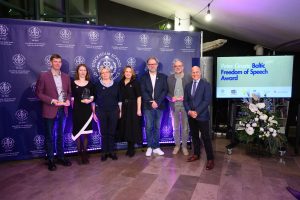
Victories in the fight for freedom of speech deserve recognition. Recently, we came together to celebrate the Peter Greste Baltic Freedom of Speech Awards, recognising individuals and organizations making a difference in protecting independent journalism across the Baltic states.
Let’s take a closer look at this year’s winners and the work behind their recognition.
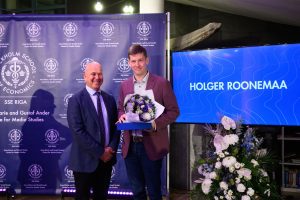
Estonia – Holger Roonemaa
Head of investigative and Fact-Checking Desk at Delfi Estonia. Holger was recognised for his work on the Kremlin papers, which was an international investigative project exposing how Moscow uses propaganda covert operations and political interference across the Baltic region and Europe.He has also partnered with global networks like the Organized Crime and Corruption Reporting Project on major leaks such as the FinCEN files which exposed money laundering, corruption, and the misuse of public funds. His fact-based reporting protects democratic accountability and helps the public separate verified facts from state-sponsored manipulation.
Latvia – Toms Ostrovskis
As Editor-in-Chief of TVNET GRUPA, Toms has made protecting editorial independence a priority. Following the cyberattack on Latvia’s Road Traffic Safety Directorate that exposed personal data of 1.2 million people, Toms publicly defended the ethical researcher whistleblower who exposed security flaws. He criticized the state authorities for targeting the messenger instead of focusing on accountability and the fact that they made a mistake. He had also co-created a podcast and editorial series, “NEIEKĀP. BALSO!” which translates into “Don’t Step In It. Vote!”. It broke down major political scandals and candidate controversies that helped voters make informed choices.
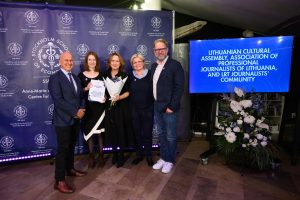
Lithuania – The Lithuanian Cultural Assembly, the Association of Professional Journalists of Lithuania, and the LRT Journalists’ Community
The Lithuanian Cultural Assembly, the Association of Professional Journalists of Lithuania, and the LRT Journalists’ Community received a joint award for their collective efforts to stop political radicals from capturing Lithuania’s cultural institutions. In 2025 the Lithuanian Culture Assembly organized country-wide protests against a controversial minister appointed by a ruling populist party. These demonstrations forced the minister to resign within a week. Later, when the ruling coalition pushed legislation to overhaul governance of LRT [Lithuania’s national broadcaster] allowing leadership to be fired and banning certain journalists, the Association of Professional Journalists mobilized competing newsrooms and the public. Joined by the Culture Assembly, the demonstrations peaked with a few thousand person rally in Vilnius in December 2025. By May of next year, sustained public pressure forced lawmakers to drop the most restrictive parts of the bill.
The nominees were evaluated based on several criteria, including their resilience in sustaining their efforts despite limited support or challenging circumstances, and their courage to take risks in the face of censorship, repression or intimidation. The selection also considered the impact of their work, their commitment to inclusive and ethical journalism, and their ability to inspire others to stand up for freedom of expression.
Named after the journalist Peter Greste, the award reflects the importance of standing up for press freedom and protecting those who work to uncover the truth. His own experience of imprisonment for his journalistic work serves as a reminder that freedom of expression can not be taken for granted, as it is an important value of democracy. The award ceremony took place at the Centre for Media Studies at the Stockholm School of Economics in Riga. The jury comprised media experts from Latvia, Estonia, and Lithuania, including a representative of the Lithuanian Journalism Centre.